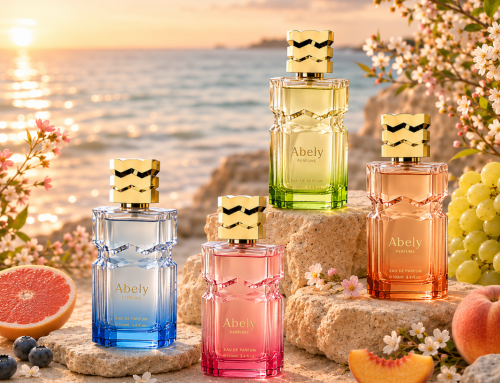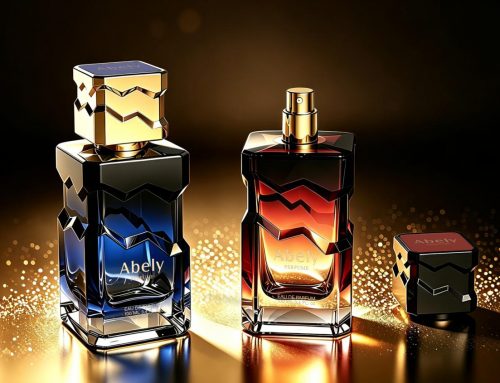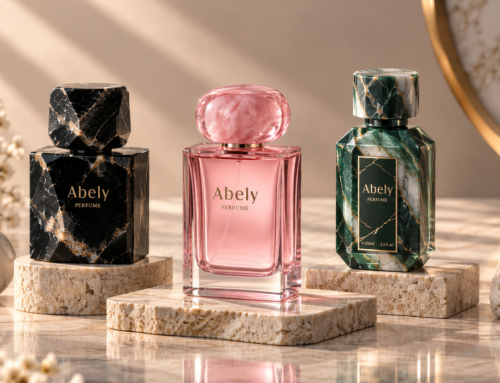
The fragrance industry is undergoing a transformative shift. Driven by eco-conscious consumers and stringent environmental regulations, sustainable and refillable perfume packaging is no longer a niche concept but a core market trend. Today’s buyers expect luxury to align with planetary responsibility. For fragrance brands, adapting to this demand means embracing the refill perfume bottle model, encouraging consumers to retain and reuse the primary bottle when the refill system is convenient and reliable.
This article explores how innovations in materials, regulatory changes, and evolving brand strategies are making sustainable packaging an important packaging option for fragrance brands to evaluate.
The Powerful Shift in Consumer Demand
Sustainability expectations vary across markets, consumer groups, and price segments. For these consumers, sustainability is a baseline expectation rather than a mere bonus. Studies show that more than two-thirds of consumers express strong interest in eco-friendly products, with more than half willing to pay an 8% to 12% premium for items made from renewable or recycled materials.
This demographic no longer values “disposable” beauty; instead, they may value durable packaging that combines a premium appearance with practical long-term use.
A well-crafted refillable perfume bottle is now viewed as a durable package that consumers may be more willing to retain and refill over time. As a result, B2B brands must rethink their packaging portfolios to include sustainable perfume bottles that resonate with these modern values.
Design Innovations for Refillable Glass Packaging
For luxury fragrance brands, sustainability does not require replacing glass with plastic. High-quality glass remains the preferred material for perfume bottles because of its clarity, weight, premium appearance, and compatibility with fragrance products. A more practical approach is to design durable glass bottles that consumers can retain and refill over time.
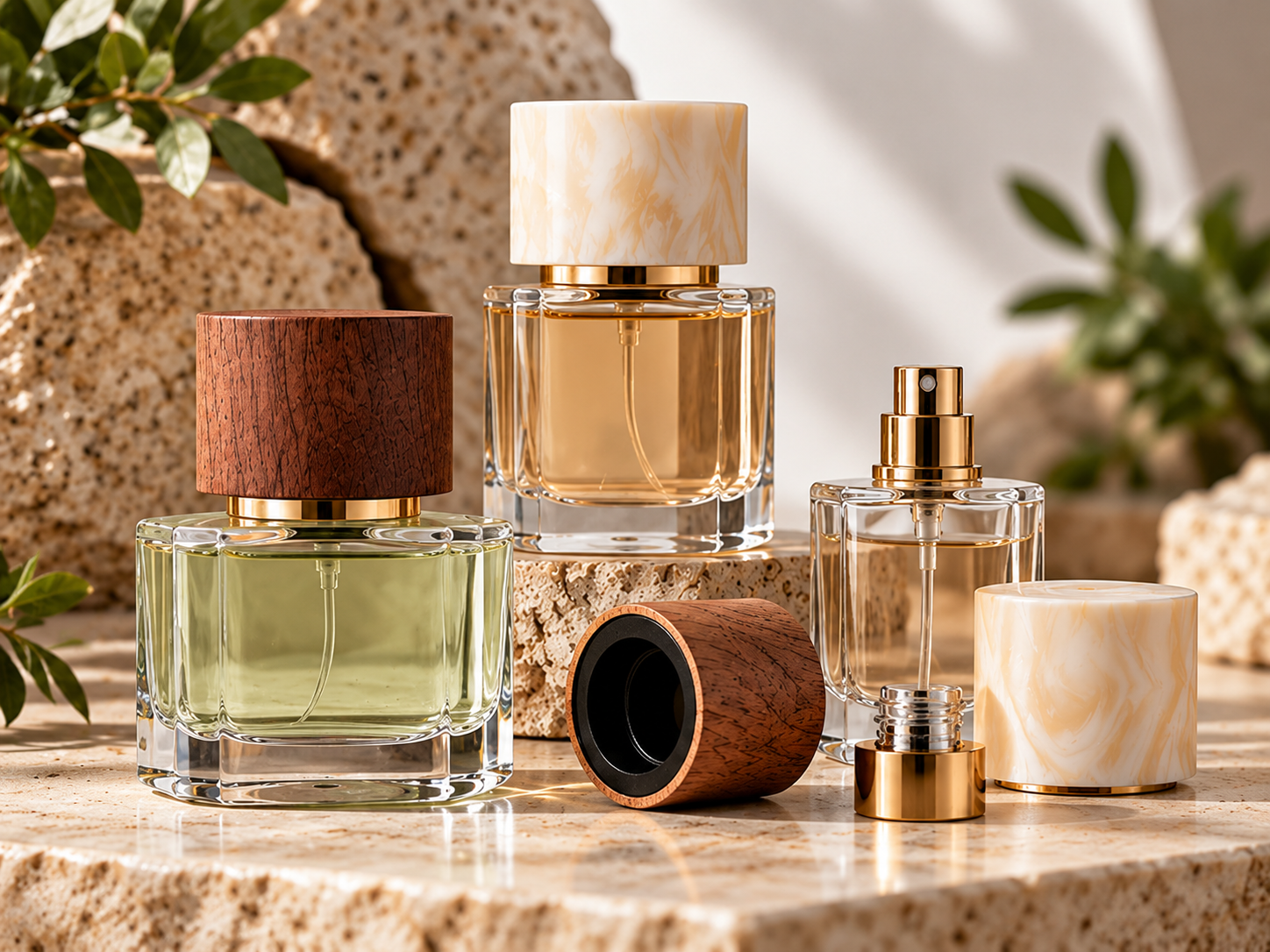
Sustainable improvements can also be considered across the complete packaging system. Brands may evaluate refill-compatible bottle structures, appropriately designed pumps and closures, separable components, and reduced secondary packaging. Materials such as Surlyn™, wood, metal, or high-quality plastic may be selected for caps and decorative components according to the design and performance requirements.
By developing high-quality perfume refill bottles with reliable components and production-ready structures, fragrance brands can support repeated use while preserving the quality and premium presentation expected in the luxury market.
Environmental and Economic Advantages
Adopting an eco-friendly packaging strategy offers incredible dual benefits. Environmentally, refill systems dramatically reduce waste. Refilling a fragrance can cut packaging waste by up to 70%. Life Cycle Assessment (LCA) studies indicate that once a refill perfume bottle is reused just two to three times, its environmental footprint drops well below that of single-use equivalents.
From an economic perspective, offering perfume refill bottles creates a lucrative recurring revenue stream. Refill formats may offer consumers a lower-cost way to repurchase the fragrance, offering superior value while locking in brand loyalty through routine “filling rituals.” For B2B businesses, producing a durable refillable perfume bottle translates to reduce long-term production costs and higher customer retention rates.
Regulatory Pressures Reshaping the Industry
Navigating global regulations is a critical concern for B2B fragrance companies. Mandatory rules like the EU’s Packaging and Packaging Waste Regulation (PPWR) impose strict reuse targets. In the United States, Extended Producer Responsibility (EPR) laws in states like California and Colorado require brands to shoulder the financial costs of packaging recycling and disposal.
To stay compliant and competitive, luxury conglomerates are pivoting rapidly. The development of compliance-ready sustainable perfume bottles is no longer optional. Industry leaders have radically increased their share of reusable products over recent years. Transitioning to a refill perfume bottle infrastructure supports longer-term packaging planning and adaptation to evolving requirements while demonstrating robust corporate social responsibility.
Innovative Consumption Scenarios
The resurgence of the “perfume fountain” is successfully transforming the retail landscape. Inspired by 18th-century apothecaries, high-end brands are installing luxurious filling stations in boutiques, turning the act of replenishing a refillable perfume bottle into an exclusive, ritualistic service experience.
For consumers who prefer to refill their fragrance at home, brands may offer dedicated refill bottles, refill cartridges, or other formats designed to transfer fragrance into the original bottle more conveniently. The refill format should be developed together with the bottle neck, pump, and cap to support controlled filling, secure assembly, and repeated use. These options give fragrance brands greater flexibility in developing refill systems suited to their products, sales channels, and customer needs.

Partnering with Abely for Premium Solutions
For B2B brands ready to embrace this trend, partnering with an expert manufacturer is crucial. Abely specializes in creating exquisite, high-quality sustainable perfume bottles tailored for the luxury market. Abely’s approach focuses on high-quality glass, durable construction, refill-compatible designs, and reliable component matching, while preserving the premium appearance expected in the luxury fragrance market.
Abely works with fragrance brands to evaluate materials, packaging structure, refill options, and component separation according to each project’s requirements.
Their minimalist packaging philosophy actively reduces resource waste without sacrificing an ounce of elegance. Furthermore, their products are engineered for practical modularity; bottles, caps, pumps, and decorative components can be evaluated for easier separation where appropriate recycling infrastructure exists, making them perfect perfume refill bottles.
With an integrated packaging system that includes Zamac, Surlyn, plastic, or wooden caps alongside precision-engineered glass, Abely delivers streamlined, scalable solutions. They also facilitate sustainability through rigorous quality control, ensuring their sustainable perfume bottles meet the agreed quality requirements, with customer-appointed third-party inspections available when required. If your brand wants to launch a premium refill perfume bottle, Abely provides the end-to-end expertise required to make your vision a stunning commercial success.
Conclusion
The transition toward sustainable packaging is a vital strategic move for B2B fragrance brands. By adopting refillable designs and innovative materials, companies can meet consumer demands, navigate strict regulations, and boost brand loyalty. Partnering with expert manufacturers like Abely ensures your eco-friendly packaging remains luxurious, compliant, and ready for the future.
If you have any needs, feel free to contact Abely.