In the competitive luxury fragrance market, an exceptional perfume bottle design does far more than just capture a consumer’s attention on a shelf—it serves as the physical manifestation of a brand’s identity. However, transforming an artistic vision into a flawless retail product is a highly challenging process. Many fragrance brands stumble when balancing aesthetics with technical realities, leading to critical failures in manufacturing quality, ergonomics, sustainable packaging, and logistics durability. When a bottle leaks, cracks, or feels clumsy to hold, the brand’s premium reputation is instantly compromised. This comprehensive guide breaks down the five most common pitfalls in perfume bottle packaging design and outlines how to navigate them to ensure your next product launch delivers an uncompromised sensory and functional experience.
Designing Without Considering Manufacturability and Component Compatibility
The technical execution of a fragrance bottle design is just as vital as its artistic conceptualization. When engineering tolerances are overlooked, even the most visually striking luxury perfumes exceptional bottle design can fail in the hands of the consumer.
- Improper Pump Fit and Sealing Failure: The interface between the bottle mouth and the gasket inside the pump demands microscopic precision. Even small dimensional deviations outside the specified tolerance can affect sealing and assembly.
- Material Incompatibility:Perfumes are complex chemical mixtures formulated with essential oils and alcohol content, which has corrosive properties. Selecting low-grade rubber, cheap plastic gaskets, or sub-par liners will inevitably cause components to degrade, crack, and leak over time.
- Poor Surface Finishing:Batch-to-batch color variation in coating or metallization cheapens a premium product. Furthermore, inadequate protective coatings cause paint peeling and color fading, while poor printing adhesion leads to brand logos wearing off during standard handling.
- Assembly Tolerances: Ignoring the cumulative physical tolerances between the custom cap insert, glass bottle neck, pump&collar size results in major QA issues, leading to caps that are either impossibly tight or unacceptably loose. Besides, after closing the cap on bottle, inadequate space between top part of pump and cap insert can cause perfume leakage.
Ergonomic and Usability Flaws
A masterful perfume bottle design must perfectly balance form and function. When ergonomics are sacrificed for avant-garde geometry, the daily user experience suffers dramatically.
- Ignoring Grip Comfort and One-Handed Use:Bottle capacity or geometric shape alone does not determine whether a perfume bottle is comfortable to use. A well-proportioned 100ml bottle can still provide a secure and pleasant grip. Usability problems are more likely to occur when the bottle is excessively wide or deep, has uncomfortable edges, distributes weight unevenly, or places the sprayer beyond the user’s natural finger reach. Square and rectangular bottles can maintain a strong shelf presence while remaining ergonomic by using balanced proportions, softened edges, and an accessible spray mechanism. Evaluating physical 3D prototypes with different hand sizes before mass production helps brands identify these issues early.
- Unstable Center of Gravity:Designers should strongly avoid top-heavy structures. Bottles with narrow bases and massive caps are highly prone to tipping over on vanity tables, leading to breakage and customer frustration.
- Overlooking Spray Performance:The atomizer is a critical part of the fragrance experience because it determines the spray dosage, mist consistency, coverage, and actuation feel. An unsuitable or insufficiently tested pump may produce an uneven spray, large droplets, an inconsistent dose, delayed priming, or poor rebound after actuation. Its performance may also change when used with fragrance formulas of different viscosities or compositions. Brands should test the selected pump with the final fragrance formula and production bottle to confirm spray quality, sealing performance, dip-tube function, and reliable operation before mass production.
Discrepancies Between Brand Aesthetics and Sensory Experience
- Modern consumers demand a cohesive sensory narrative. A brand promises a premium experience but delivers rough execution would reduce perceived quality and weaken trust in the brand.
- Rough Structural Details:At luxury pricing tiers, minor structural errors are magnified. Crooked or misaligned labels, visible adhesive lines, and the use of low-grade label paper instantly ruin the product’s prestige.
- Overuse of Minimalism:While modern trends favor clean lines, brands must be cautious not to cross the line into designs that lack of distinctive brand elements. Consumers routinely perceive generic, basic square glass as lacking personality and brand heritage.
- Neglecting Tactile Value:In high-end luxury perfumes exceptional bottle design projects, tactile details such as balanced weight, smooth edge finishing, and material texture can significantly influence perceived packaging quality. Issues such as corrosion or discoloration on metal components, inconsistent surface finishes, loose decorative elements, or shedding from flocked packaging can disrupt the user experience and raise quality concerns. Brands should evaluate these details through physical prototypes and approved production samples rather than relying solely on visual renderings.
Misconceptions About Sustainability
As eco-consciousness rises among Generation Z and B2B buyers alike, sustainability has become an increasingly important consideration for many fragrance brands and buyers. However, poorly executed green initiatives often backfire.
- “Treating Refillability as a Single-Component Change:A refillable perfume package involves more than replacing a conventional pump with a screw-on version. The bottle neck, pump, sealing system, and consumer-use process should be developed as an integrated system. Before describing a package as refillable, brands should validate repeated opening and closing, leakage resistance, fragrance compatibility, and the clarity of refill instructions.
- Over-Packaging: Today’s eco-conscious consumers are increasingly averse to unnecessary excessive decorative accessories, and non-recyclable multi-layered materials.
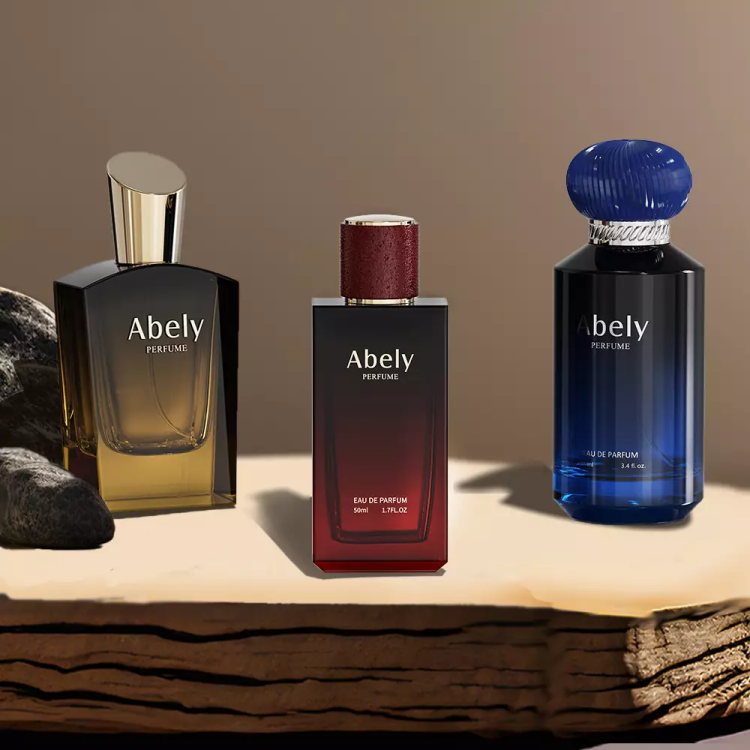
- Imbalance Between Sustainability and Premium Feel:Incorporating recycled materials should not mean sacrificing luxury. Packaging that relies too heavily on a basic “eco-friendly look”—such as coarse neutral colors and raw recycled paper textures—can drastically diminish the perceived prestige of the brand. Successful brands must creatively bridge the gap between sustainable material sourcing and high-end visual luxury.
Insufficient Logistics and Protection Considerations
A beautiful design is worthless if it cannot survive the global supply chain. B2B fragrance brands must rigorously optimize their packaging for transport conditions.
- Insufficient Glass Wall Thickness: To achieve the premium weight associated with a luxury perfumes exceptional bottle design, glass distribution must be uniform. Glass bottle walls with a with inadequate thickness are highly fragile and prone to cracking under transit pressure.
- Ignoring Brimful Capacity:The nominal fill volume of a perfume bottle is not the same as its brimful capacity. For example, a typical 100 ml perfume bottle may be designed with a brimful capacity of approximately 108 ml, often with a specified production tolerance. This additional capacity provides the space required for the fragrance, the pump mechanism, and normal volume variation. Brands should confirm the nominal volume, brimful capacity, target fill level, and pump displacement before mass production to avoid overfilling or leakage.
- Improper Pump or Closure Assembly:Sealing performance depends on the compatibility of the bottle neck, pump, gasket, and assembly process. Crimping dimensions for crimp pumps and tightening torque for screw-on pumps should follow the component specifications and be validated on the intended filling line. Incorrect assembly settings may affect pump fit, sealing performance, or product appearance, increasing the risk of leakage during handling and transportation.
Partner with an Expert: Abely Perfume Packaging
Navigating the complexities of engineering, aesthetics, and ergonomics requires an experienced manufacturing partner. At Abely, we specialize in providing premium, end-to-end custom solutions that avoid these common industry pitfalls.
From initial packaging design and engineering review to mold development, sampling, decoration, and production quality control, Abely supports every stage of custom perfume bottle development. Our team evaluates manufacturing feasibility, dimensional tolerances, component compatibility, and finish consistency to help brands translate creative concepts into packaging solutions suitable for stable production and successful market launches.
Conclusion
Successful perfume bottle packaging design begins with a concept that can be translated into reliable production. Brands should consider manufacturing feasibility, bottle and component compatibility, decoration requirements, and filling-line needs early in the development process. Working with an experienced packaging partner can help reduce avoidable revisions, improve production consistency, and support a smoother product launch. Ready to elevate your next project?
If you have any needs, feel free to contact Abely.