Glass remains the premier choice for packaging across various industries, particularly in the luxury fragrance sector. Its clarity, weight, and chemical neutrality make it the ideal vessel for high-end scents.
However, the manufacturing process is complex, and physical defects can occur. One of the most prevalent issues is uneven glass bottle distribution. When the glass bottle thickness is inconsistent, it directly compromises the product’s structural integrity and aesthetic appeal.
Understanding why these variations happen is essential for perfume brands to choose better products and suppliers. First, let’s take a look at how glass bottles are produced.
How are Glass Bottles Made?
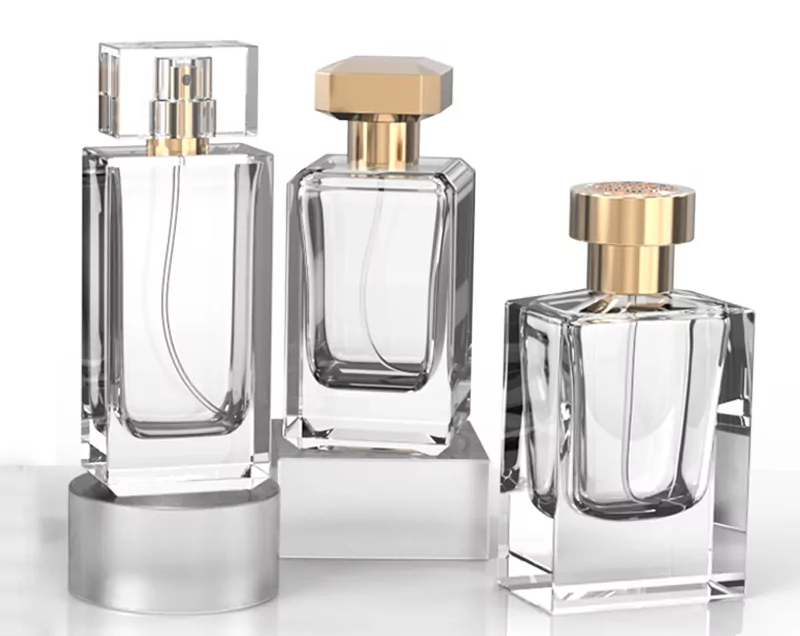
The production of a thick glass bottle involves transforming raw materials into a molten state and then precisely shaping them before they solidify.
Step 1: Raw Material Melting
The process begins in a furnace where silica sand, soda ash, and limestone are heated to temperatures of about 1500°C-1650°C. This creates a homogenous molten mass. The most important thing is to maintain temperature stability to achieve the desired viscosity of the molten glass.
For luxury perfume brands, the purity of these ingredients is vital to ensure the final thick glass bottle possesses the necessary brilliance and transparency without tints or bubbles.
Step 2: Forming
Once the glass is molten, it is cut into the individual weights of glass required for a single bottle.
In the blow-and-blow method, compressed air is used to form the neck and the general shape. For thick-bottom glass perfume bottles, the press-and-blow method is often preferred. A metal plunger presses the glass into the parison mold, ensuring better control over the initial distribution of material before the final blow into the finishing mold.
Step 3: Cooling and Annealing
After the bottle is formed, it undergoes a controlled cooling process in an annealing lehr. This stage is critical because it relieves internal stresses. If a bottle cools too rapidly or unevenly, it becomes brittle and prone to shattering, regardless of its original glass bottle thickness.
Why is the Glass Bottle Thickness Uneven?
An uneven glass bottle is rarely the result of a single error. Some possible reasons include:
1. Temperature Variations
Temperature is the most critical factor in glass viscosity. If the gob enters the mold with a temperature gradient, the glass will flow inconsistently.
Even a 1°C difference can result in a variance in wall thickness. Furthermore, if the mold has “cold spots,” the glass contacting those areas will solidify too quickly, becoming thick, while the glass in “hot spots” continues to stretch and thin out.
2. Inconsistent Glass Distribution
This often relates to “loading position,” and is influenced by gravity, mold design, and glass pouring speed.
If the molten glass does not fall perfectly into the center of the mold, it contacts one side of the mold before the other. This premature contact causes that side to cool and thicken, while the opposite side remains thin as it is stretched during the blowing phase.
3. Poor or Damaged Mold Design
The geometry of the bottle dictates the difficulty of the manufacture. For example, square or rectangular perfume bottles are significantly harder to produce than round ones, not to mention other special shapes. The corners are further from the center, often requiring more material to compensate for potential thinning.
Additionally, mold wear, such as carbon buildup on the seams or mechanical erosion, can create gaps where the glass settles incorrectly, leading to an uneven glass bottle.
4. Air Pressure and Blowing Process
The timing of the “blow” must be precise. If the air pressure is too low, the glass won’t reach the mold extremities; if the timing is off, the glass may settle at the bottom too early, preventing an even climb up the walls.
This is a common cause of failures in achieving the desired glass bottle thickness.
5. Machine Failure
Mechanical issues, such as an unaligned plunger or fluctuating pressure in the forming machine, create physical imbalances.
If the machine’s timing settings are slightly off, the mold may open before the glass has fully set, causing the walls to sag and creating a heavy base or thin shoulders.
What is the Impact of Uneven Glass Bottle Thickness?
Consistent thickness of glass bottles is non-negotiable, as uneven thickness causes:
- Reduced Strength and Durability:Thin spots are structural weak points. A bottle with inconsistent wall thickness is much more likely to break during the high-speed filling process, during shipping, or when dropped by a consumer.
- Aesthetic Defects:Luxury effects rely on how light interacts with the glass and the liquid. Variation in glass bottle thickness creates optical distortion, making the bottle look “cheap.” This is particularly noticeable in thick glass bottle designs where clarity is paramount.
- Thermal Stress Issues: Inconsistent thickness means the glass expands and contracts at different rates when exposed to temperature changes. This internal tension can lead to spontaneous cracking, especially during the sterilization or labeling processes that involve heat.
How Manufacturers Control Thickness Uniformity?
Top-tier manufacturers utilize several layers of technology to ensure that every thick glass bottle meets rigorous standards.
1. Advanced Forming Technology
Modern machines can precisely control glass flow and shaping. This precision ensures that the glass is distributed exactly where the design requires it, minimizing the risk of an uneven glass bottle.
2. Mold Optimization
Using high-grade alloys for molds helps maintain thermal consistency. Engineers also use computer simulations to predict how glass will flow into complex shapes, allowing them to adjust the mold cavity before production even begins.
3. Temperature Control Systems
Sensors monitor the temperature of the gobs and the molds in real-time and adjust it. This maintains the ideal viscosity for consistent glass bottle thickness.
4. Quality Inspection Methods
High-end production lines employ layers of inspections. Automatic wall-thickness testers measure the glass at multiple points. Bottles that fall outside the tolerance range are automatically rejected and sent back to be remelted as cullet.
Abely Glass Perfume Bottles
When sourcing packaging for a luxury fragrance, the expertise of the manufacturer is the most important factor. Abely specializes in the production of high-end glass perfume bottles.
We focus on precision mold design and adopt advanced forming technology. Each glass bottle is carefully manufactured to ensure a consistent structure. After production is completed, bottles will undergo quality inspection to comply with AQL international standards.
For brands looking to elevate the packaging texture, partnering with a manufacturer that prioritizes consistent glass bottle thickness and structural beauty is essential. You can explore our extensive range of professional packaging solutions at abelyperfume.com.

Conclusion
Maintaining consistent glass bottle thickness is a balance of temperature control, mold precision, and mechanical timing. For perfume brands, avoiding an uneven glass bottle ensures both safety and luxury appeal.
If you have any needs, feel free to contact Abely.