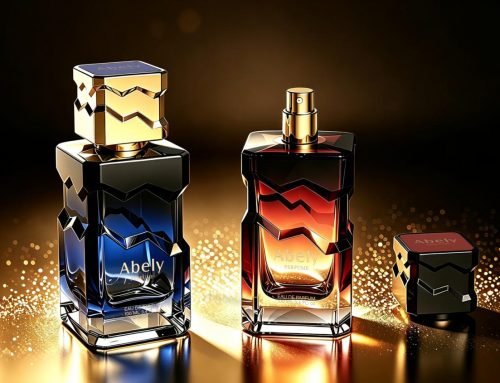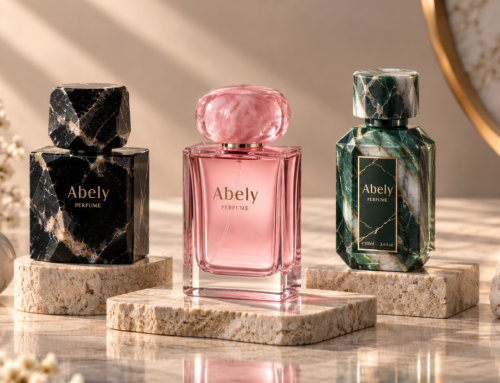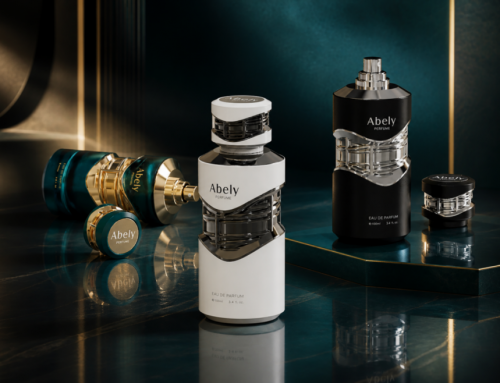
Details determine quality.
The design of a perfume bottle is one of the first things consumers notice while purchasing the fragrance. Elements such as shape, size, weight, material, and finishing of the perfume bottles all influence how a brand is perceived before the fragrance is even tested.
If the perfume bottle parts feel solid and refined, it builds trust, while poor detailing can weaken the overall impression of the product. This brings us to the key question: What details should be focused on in perfume bottle design? Let’s see:
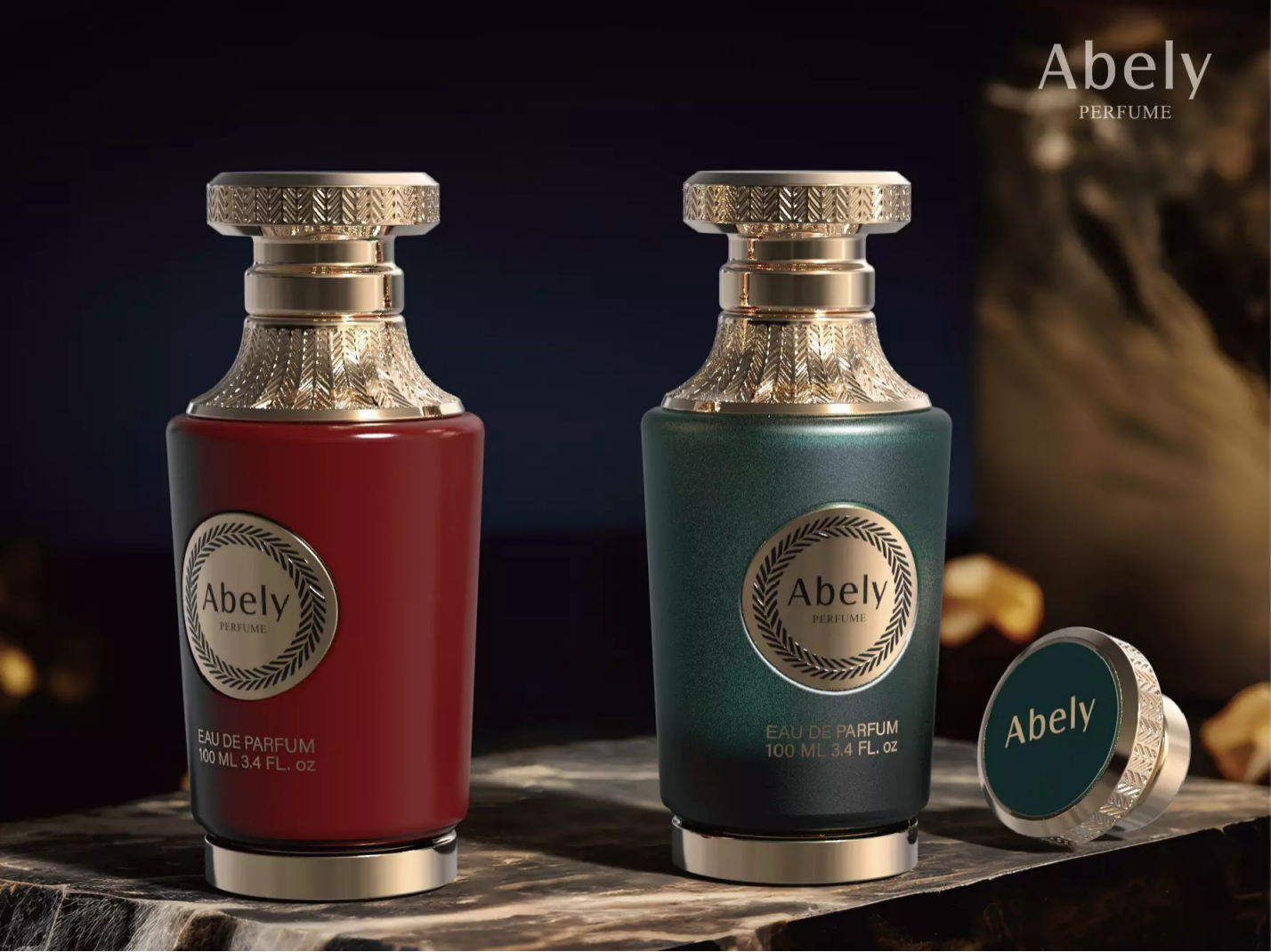
The Detailed Guide on Perfume Bottle Parts
If you need to optimize the perfume bottle parts to make it more refined and harmonious, you can start with the perfume bottle parts details:
1. Bottle Body
The body is the most important since this makes the foundation of the design and is the first thing that customers notice.
- Shape
Shape gives character to the perfume.
Perfume bottles come in conventional shapes such as square, cylindrical, conical, and spherical. These convey a modern and minimalist feel, representing timeless classic designs.
There are also bottles that mimic natural forms, such as water droplets, pebbles, petals, and human curves, which are softer, more natural, and elegant.
Additionally, techniques such as concave designs, multilayered water ripple-like and fluid-like designs create a sparkling brilliance that enhances the sense of luxury.
- Material
Material selection in the manufacturing of different parts of bottles plays a vital role in deciding how a bottle will be perceived by consumers. They can be divided into five materials: glass, ceramic, acrylic, plastic, and metal.
Glass is the preferred choice, as its excellent chemical stability ensures the quality of the perfume. It offers high transparency and a wide range of shapes and surface decoration options, making it highly versatile. The production cost of glass bottles is relatively low, thus particularly suitable for mass production. Plus, the material is recyclable, aligning with environmental trends.
- Texture
The texture of the bottle influences both its appearance and feel. Customers usually associate heavier glass bottles with a sense of luxury, while lighter bottles tend to feel slightly cheaper.
Plus, the thickness of the bottle wall affects both transparency and sturdiness. An appropriately substantial feel, particularly at the base and edges, can enhance the product’s sense of stability and premium quality. Thick glass also creates richer light refraction.
2. Bottle Cap
The bottle cap is like the “eyes” of the perfume bottle. A vivid design can start by focusing on the design of the cap.
- Shape Design
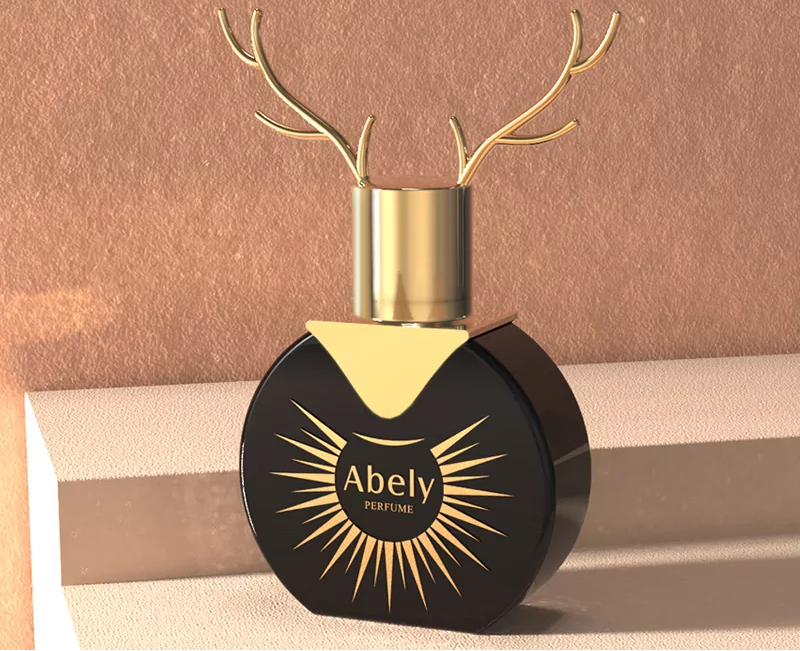
The design of the cap can either harmonize with the bottle shape or create an interesting contrast. It can serve as an extension of the bottle’s lines or be an independent sculptural element, such as an animal figure.
Most importantly, the sizes matter. A cap that is too small or too large can disrupt the overall balance.
- Material
Five perfume cap materials include:
- Zamac:Offers a cold touch and a premium metallic sheen, often used in high-end perfumes. It can be electroplated to achieve various finishes such as gold, silver, bronze, and more.
- Acrylic:Lightweight and highly design-flexible, it can mimic the luster of crystal at a much lower cost.
- Wooden:Provides a unique, natural tactile experience and blends seamlessly with almost any perfume bottle design.
- Surlyn:Features a transparent appearance, soft touch, high flexibility, and strong corrosion resistance. Ideal for high-end perfume product lines.
- Plastic:Highly moldable and cost-effective. It allows for diverse designs through advanced surface treatments such as matte, gloss, or metalization.
- Opening and Closing Mechanism
The way a cap opens and closes shapes the daily experience of the consumers.
Threaded caps lock firmly. It effectively prevents the evaporation of alcohol and fragrance. The key to user experience lies in the smoothness of opening and closing.
Magnetic caps offer a satisfying “click” sound and a magnetic sensation when opening and closing, delivering a sense of ritual and convenience. It requires high precision in craftsmanship and comes at a relatively higher cost.
- Sealing Performance
Sealing of the cap plays a direct role in maintaining fragrance quality. Customers often test the closure by how solid it feels, and that single detail strongly influences their confidence in the product. How to do a sealing performance test?
- Fill the bottle with water. When testing, press and secure the spray head firmly.
- Gently invert the bottle to check for any leaks.
- Looseness, leakage, or fading fragrance are all warning signs of poor sealing.
3. Surface Decoration
Decoration turns a bottle from a simple container into a branded product.
- Logo and Patterns
Logos and patterns are the important parts of a bottle that can be created through engraving, etching, embossing, or printing. Color treatment will further make the perfume bottle stand out. Light colors are usually chosen to reflect clean and refreshing scents, while deeper tones are used to signal strength and depth of the fragrance.
- Finish and Texture
Common furnishings, such as color coating, marble coating, frosting, metalizing, flocking, and cracking, are widely used to draw attention and create a stronger shelf presence. Giving the perfume bottle the necessary finishing and texture completes the product.
4. User-Centric Design
All perfume bottle parts must be easy to use every day.
Ergonomics plays a major role in making the bottle comfortable to handle. Smooth curves, balanced proportions, and features that improve grip all contribute to a bottle that feels good in daily use.
Ease of use is defined by the way the cap and atomizer function. The spray should deliver a fine and even mist without clogging, and the cap should open and close smoothly. Customers often pay attention to these details after purchase, and they directly affect satisfaction with the product.
The refillable perfume design is useful as buyers can retain the exquisite perfume bottle and DIY their own perfume. It also embodies an eco-friendly design, highlighting the perfume brand’s commitment to sustainable development.
How to Customize Perfume Bottles?
Custom perfume bottle parts require careful planning in both design and production. The bottle needs to represent the brand, protect the fragrance, and meet customer expectations for quality. To achieve this, it is important to work with an expert packaging partner.
Whether you already have a preliminary design concept or need professional creative guidance, Abely is a trusted partner for perfume bottle components.
Our services cover glass bottles, custom caps, accessories, and boxes. A design team develops unique concepts, supported by advanced manufacturing and uncompromising quality control to ensure consistency. Since production is handled within our own factories, Abely can shorten lead times and deliver on schedule.
We also offer support with refillable designs and sustainable packaging, which are increasingly important to modern consumers. Strong client relationships, repeat orders, and experience with premium brands worldwide make us a standout choice among perfume bottle manufacturers.
Wrapping-Up
Perfume bottle parts such as the body, cap, decoration, and user-focused features directly influence how customers judge your product quality. Unique design makes the fragrance more appealing and builds brand trust.
For brands that want packaging tailored to their identity, Abely provides complete solutions. Contact us now to customize a solution!